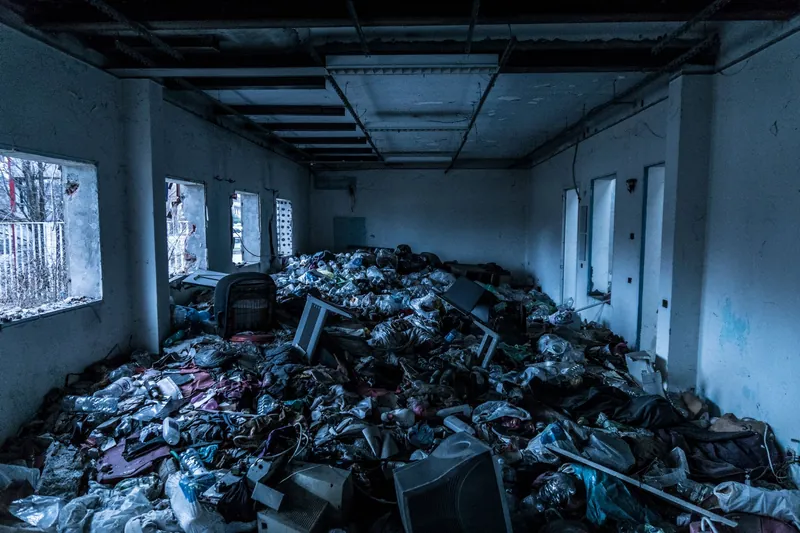
Hoarding Cleanup
Deep cleaning, respectful sorting and removal are all part of hoarding cleanup.
See hoarding cleanupClear built-up waste, remove contaminated materials and deep clean an unsafe home with a plan that protects important belongings and explains each stage.
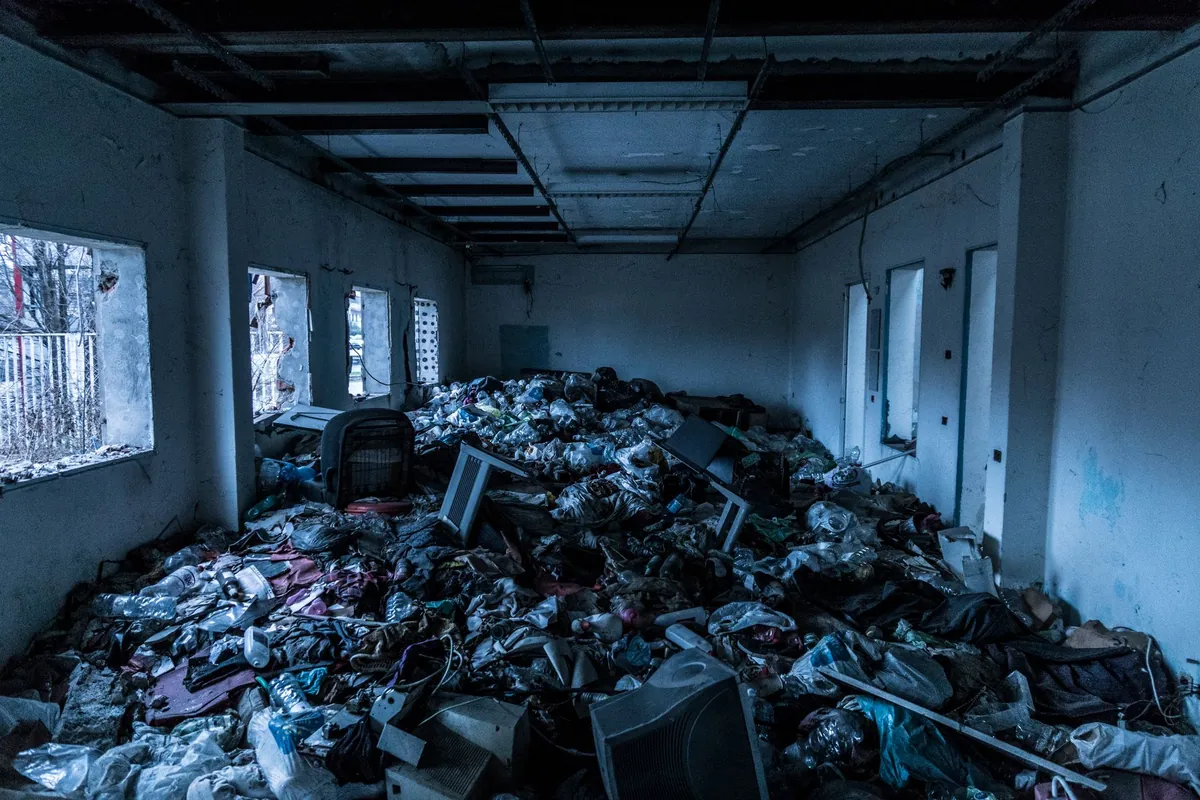
A filth and squalor cleanup clears away trash buildup, unsafe waste and spoiled material. The impacted parts of the home are then disinfected and cleaned so they can be used more safely.
Squalor is a description of the home and is not a judgment about its occupant. Property conditions may worsen during illness or grief, after mobility declines, because of pests or plumbing problems, or when regular cleaning stops for a long time. The work should center on present needs, clear actions and respect.
Clearing floor access and sorting possessions may come first, followed by removal of old food and household waste, bathroom and kitchen cleaning, and persistent odor treatment. When technicians discover sewage, blood, urine, feces, loose sharps or another hazardous material, different cleaning steps apply. The work may require controlled areas, personal protection, biohazard remediation and correct disposal of waste.
Some filth cleanup jobs differ from clearing out the entire home. Some homes contain only a few wanted belongings but have severe sanitation problems. Careful sorting may be necessary in some properties before reaching the surfaces below. A cleaning service should shape its scope around the affected area, what was left behind and your wishes for personal items.
Containment, waste disposal and protective gear should reflect each hazard present, including loose sharps, bodily fluids, pests and spoiled material. Each cleanup step should be explained in the plan.
The plan uses separate entries for repairs, odor treatment, disinfection, content removal and deep cleaning to show what the cleanup involves.
You receive clear explanations without blame. Conditions are documented room by room, and decisions focus on safety, sanitation and the goals you set for the property.
Workers use unmarked vehicles when arriving. To limit unwanted attention, loading points and active work areas can be positioned thoughtfully.
Filth cleaning services are useful when ordinary housekeeping cannot safely reach or restore the affected areas. Common situations include:
Protective gear, targeted disinfection and removal may be necessary when fixtures and surrounding areas contain feces, urine or heavy residue.
A safe return after an absence or medical care depends on sanitized conditions, passable routes and rooms that function.
You may be unable to safely clean accumulated trash, food and bathroom residue after reduced mobility, a hospital stay or a health crisis.
Once animals are in a safe setting, feces, urine, food and damaged contents remain, and odors have reached carpet, padding or subfloor.
First, keep people safe and leave room for thoughtful decisions about the property. Avoid shifting waste until you understand the possible hazards. Do not start cleanup during an active medical crisis, fire or other immediate safety danger. Contact the correct emergency service or law enforcement first.
Call (888) 440-9227Related guides give a rough picture of squalor cleanup. An average human waste cleanup runs $400 to $1,500 per job, while hoarding mixed with biohazards runs $3,000 to $20,000 per job in one guide. Another guide puts the most severe biohazard-level hoarding at $25,000 per job. These are comparisons, not a quote for your home. Pests, damaged materials, waste type and how much has built up decide the work.
These ranges come from published national cost guides, not from a site visit. After an on-site assessment, the price for your property is determined and shared with you before cleanup begins.
Ask about cost: (888) 440-9227Insurance can cover damage caused by an event included in your policy. Accumulated waste, routine neglect and general cleaning are often considered differently, and the insurance company decides using the policy terms and documented source of the damage.
Ask your insurance company if a covered plumbing problem or another abrupt event contributed to the property damage. Cleanup not caused by the incident may be assessed on its own.
The lease, property condition and local requirements can affect who arranges access and payment. Someone with proper authority should confirm the plan before any tenant property is discarded.
Before relocating personal property, the executor or approved representative must clarify who may authorize removal, sign the scope and decide on payment.
Ask whether the claim treats sanitation, restoration and removal separately, which affected areas it includes, which loss cause applies and what photos or records are required. Insurance assistance may involve arranging the documents needed by your adjuster.
Remediation is adapted to the situation while keeping a careful order. It begins with safety and sorting, then moves through removal and detailed cleaning before a final walkthrough. That flow separates dirty contents from areas that have already been cleaned.
Cleanup technicians examine rooms they can access, locating affected areas and recording waste, pests, moisture, sharps, blocked routes and materials that might require removal.
Workers set boundaries for the cleanup and preserve a clean exit route. Protective clothing, gloves, eye protection and respiratory equipment are matched to the risks identified.
Papers, medicine, photos, valuables and questionable items are kept apart from trash for decisions by you or another authorized person.
Garbage, decayed materials and authorized unwanted contents are secured for removal. Dirty bags are kept out of clean spaces, and workers do not combine sharps with regular garbage.
Carpet and pad, wallboard, cabinetry or subfloor might need removal if contamination has penetrated too far to clean completely.
Cleaning comes before disinfection on uncovered hard materials. For required disinfection, the treated surface stays wet with an EPA-registered product for the complete contact time on the label.
First remove whatever is causing the odor. Once sources are gone, targeted surface work, HEPA vacuums and air scrubbers may address lingering particles and odor in affected areas.
You examine cleared rooms, saved property, removed materials and any restoration services still needed for plumbing, pest control, drying or construction. You also receive an explanation of the remaining work so you can move forward.
You can call anytime. A specialist in filth and squalor cleanup takes your call, explains each step and agrees on a start time with you.
Severe buildup can create serious health risks when waste, sharp objects, moisture or unstable contents are present, even if the surface looks dry.
Bags and scattered belongings may conceal medicines, loose needles, broken glass or leaking household chemicals. Use suitable waste routes after separating hazardous materials by type.
A hard home situation may relate to poor health, personal loss or declining independence. Gentle, clear explanations help you and your loved ones decide how to treat personal property.
Urine and feces can spread into grout, carpet, wood and wall materials. Wiping the exposed surface may leave smells and contamination within porous material.
Can you clean it yourself? A small area of ordinary dirt on a stable, non-porous surface may be cleaned with gloves and the product directions on the label. Do not continue around an unknown chemical, unstable stacks, sewage, animal waste or human waste, loose sharps, or porous surfaces that absorbed contamination.
Many hard surfaces can remain when thorough washing and disinfection can clean them. Removal may be needed for porous belongings or materials that have absorbed waste, liquids or odor.
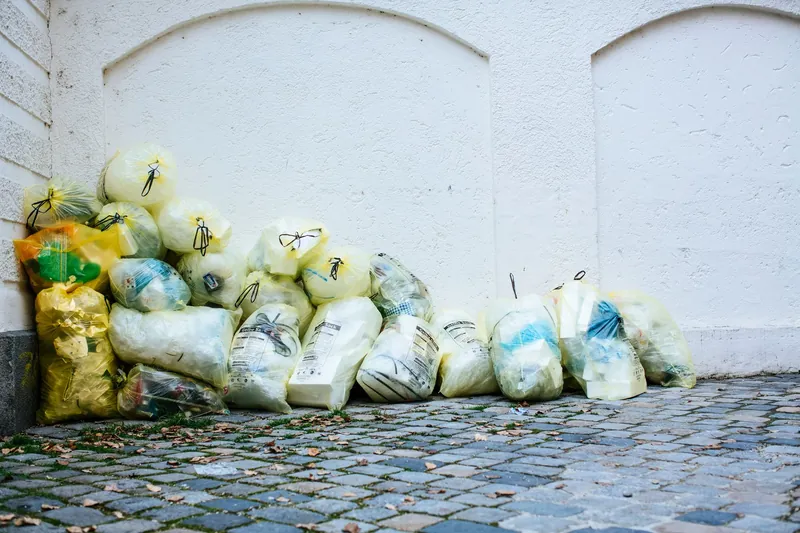
A limited area may require about a day, and work across several rooms can last multiple days. Squalor throughout an entire home may need a week or longer if access is restricted, possessions require decisions or contaminated material needs removal.
| Scene | Typical time on site |
|---|---|
| A single reachable room containing light buildup | Often about one day |
| Removal plus deep cleaning across multiple affected rooms | Often several days |
| Whole home with heavy waste or damaged materials | May require a week or additional time |
Fragrance does not remove an odor source. Different odors can come from urine, old food, refuse, feces, wastewater, wet carpet or pest debris. Air treatment makes a lasting difference only after bags, damaged belongings and absorbent materials have been cleaned or taken away.
Cleaning and any required disinfection of exposed surfaces follow removal of the odor source. HEPA vacuums and air scrubbers may reduce particles carried in the air. A smell coming from subfloor, cabinet interiors, wall cavities or carpet padding may mean contamination remains. Inspection is needed before repair work begins or the room is closed.
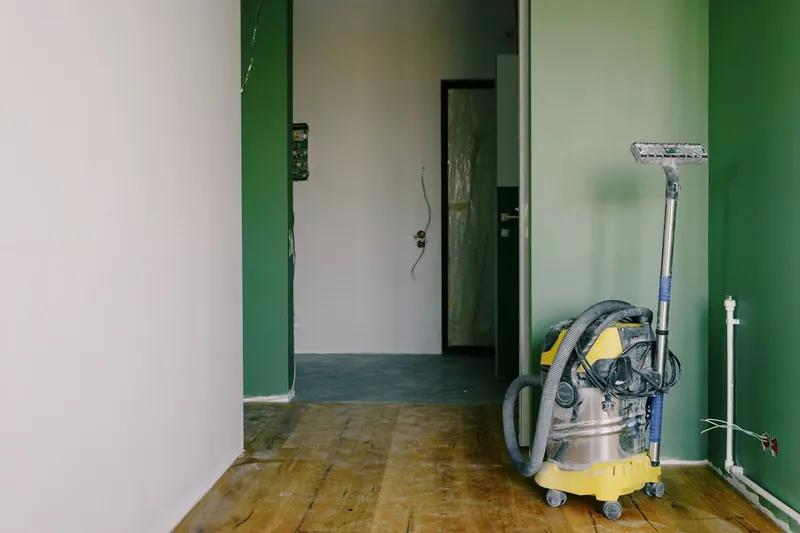
The full filth and squalor cleanup guide covers what is cleaned or removed, odor and air quality work, and the rules that apply in your state.
Read the full filth and squalor cleanup guidePlanning for access, containment and cleanup can depend on local population, housing and entry conditions.
If direct exposure occurs, the closest listed emergency option is Denver Health & Hospital Authority, about 2.2 miles away, not the cleanup site.
Families often arrive from Highlands Square, Highlands Garden Village, and Berkeley. Agree on one meeting point and one entrance so the scene stays private.
Properties within this Denver neighborhood may share alleys, entries, or parking, so equipment movement should be planned around nearby residents.
During your call, ask whether cleanup is available in surrounding communities and ZIP codes.
Deep cleaning, respectful sorting and removal are all part of hoarding cleanup.
See hoarding cleanup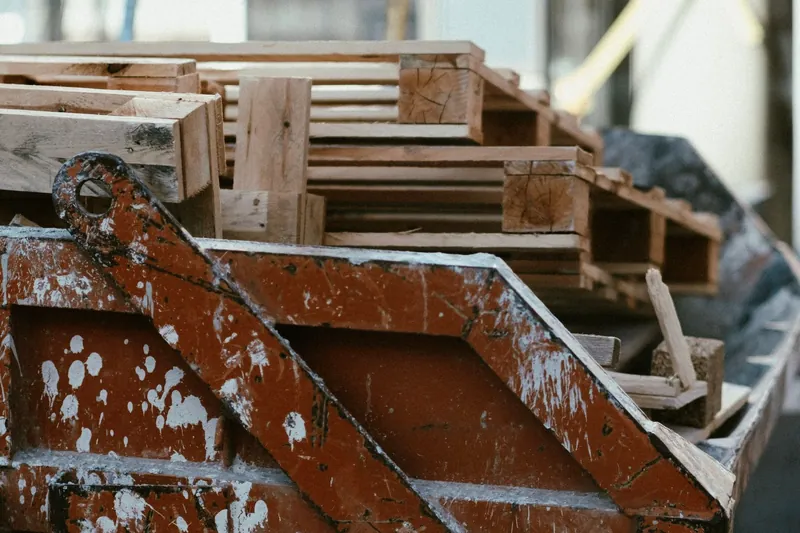
Hoarder house cleanout clears a home room by room and includes hauling away trash.
See hoarder house cleanout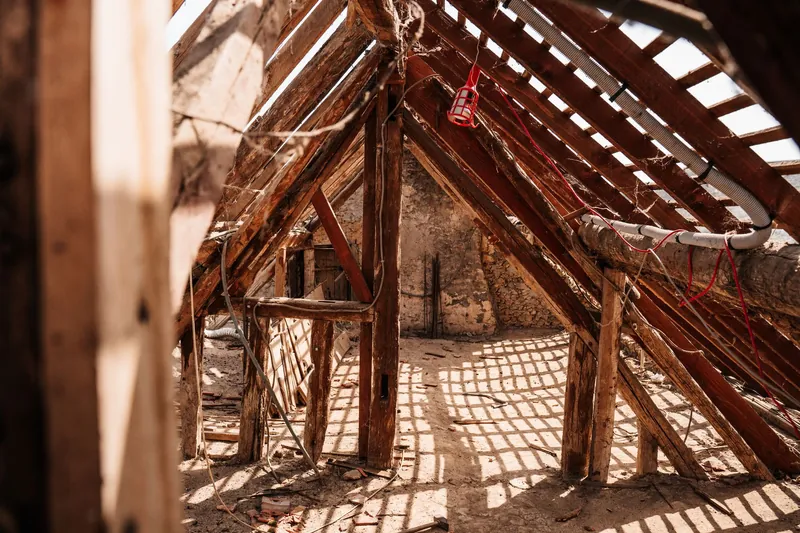
Waste and urine-soaked items are removed and ammonia odor is treated during animal hoarding cleanup.
See animal hoarding cleanup
Human feces cleanup includes disinfection in homes, public restrooms and rental properties.
See human feces cleanup

Removal and disinfection of blood, body fluids and other infectious material from any property.
See biohazard cleanup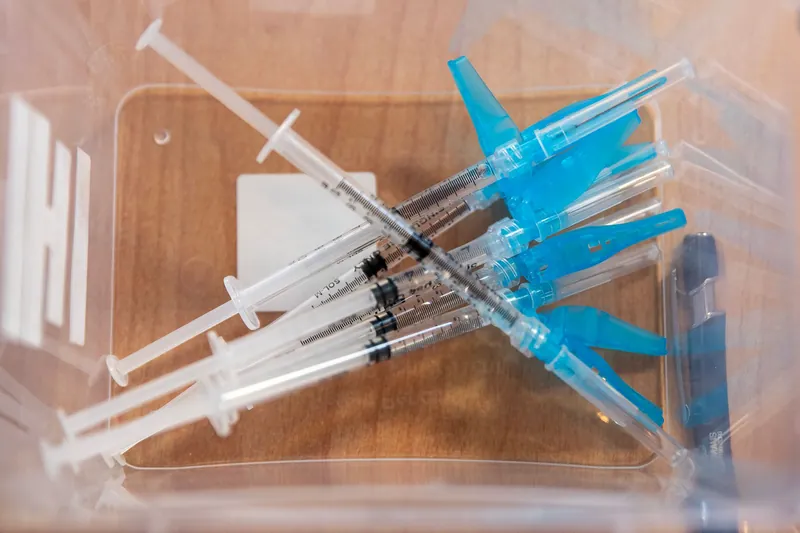
Cleanup removes sharps and needles from parks, rental sites, yards and encampments.
See needle and sharps cleanup
Biohazard cleanup addresses Airbnb accommodations, hotels and other rental units.
See hotel, Airbnb and rental biohazard cleanupRelated guides show $400 to $1,500 for human waste cleanup. They also show $3,000 to $20,000 where hoarding comes with biohazards, and as much as $25,000 for hoarding at a biohazard level. These are planning ranges. Buildup, waste type, damaged materials, pests, access and odor work affect the actual scope.
About one day may be needed for limited buildup in one accessible room. Expect several days for multiple rooms and possibly a week or longer when conditions extend heavily throughout the home. Blocked routes, pests, contaminated porous items, odor sources, plumbing concerns, repairs and time spent sorting can extend the cleaning process.
Important papers, medication, keys, photographs, valuables and uncertain items can be moved to a separate decision area. Salvageable personal items can be kept. Before broken, pest-affected or deeply contaminated items are removed, you should know why and who has authority to approve the decision.
Cleaning a home with unsafe sanitary conditions and removing accumulated waste are the central parts of filth and squalor cleanup. The cleanup can cover sorting personal property, taking away spoiled material, washing hard surfaces, treating odors, disinfecting affected areas and removing porous items when safe cleaning is not possible.
Deep cleaning addresses the smell only when its source has first been located. Initial removal may include pest residue, moist materials, urine-affected carpet, garbage and food that has spoiled. Cleaning hard materials comes first, and air quality measures may follow. If a smell remains, contamination may be hidden in carpet pad, subfloor, cabinets or wall cavities.
Insurance coverage varies with the loss cause and the specific policy. General cleaning or long-term accumulation may be treated differently from damage caused by a covered sudden event. Ask the insurance company what cause of loss applies, what documentation it needs and whether removal, sanitation and repairs are considered separately.
You can request respectful, discreet filth and squalor cleanup 24 hours a day, and crews use unmarked vehicles.